How Does Binance Exchange Perform? A Comprehensive Review of Features, Security, and Trading Experience
Binance, founded in 2017 by Changpeng Zhao (CZ), has rapidly grown to become one of the world's largest and most influential cryptocurrency exchanges. For many traders, the question "How does Binance perform?" often translates into evaluating its liquidity, fee structure, and overall reliability. This review breaks down the key aspects of the Binance exchange to help you understand its current standing in the crypto market.
First and foremost, Binance excels in trading volume and liquidity. It consistently ranks among the top exchanges globally for spot and derivatives trading. High liquidity means that traders can execute large orders without significant price slippage, which is crucial for both retail and institutional investors. The exchange offers a vast selection of over 350 cryptocurrencies and trading pairs, including major coins like Bitcoin (BTC), Ethereum (ETH), and a wide range of altcoins and DeFi tokens. This extensive asset coverage makes it a one-stop-shop for portfolio diversification.
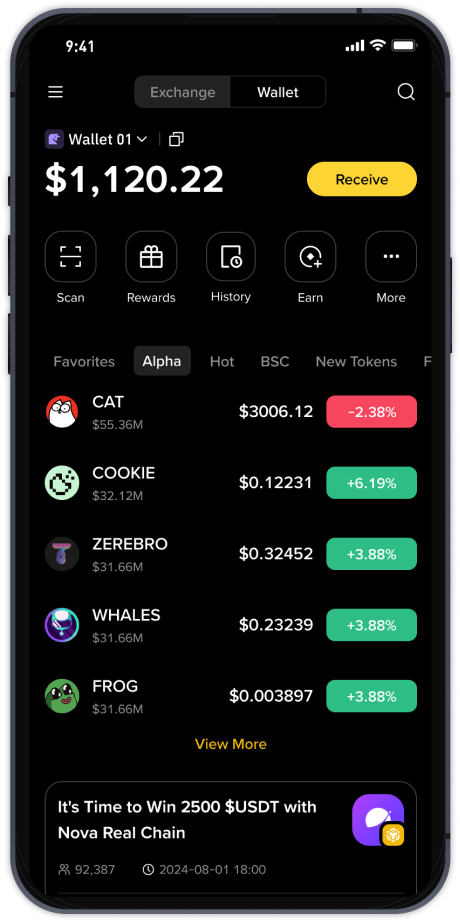
Another major strength is the advanced trading platform. Binance provides multiple interfaces, from a simple "Lite" mode for beginners to a professional "Pro" interface packed with charting tools, technical indicators, and order types (such as limit, market, stop-limit, and OCO). For advanced users, Binance Futures and Margin trading offer leveraged positions, though these come with significant risk. The platform also supports TradingView charts, API integration for algorithmic trading, and a mobile app that is widely considered one of the best in the industry for on-the-go management.
Security is a critical factor when evaluating any exchange. Binance has a robust security infrastructure, including a Secure Asset Fund for Users (SAFU), which is an emergency insurance fund funded by 10% of all trading fees. In the event of a security breach, this fund is designed to cover user losses. The exchange also employs two-factor authentication (2FA), device management, and address whitelisting. While Binance has faced security incidents in the past, the SAFU fund has been used to fully compensate affected users. However, users should still practice personal security hygiene, such as using strong passwords and enabling anti-phishing codes.
Fee structure is another area where Binance is highly competitive. The standard spot trading fee is 0.10% for both makers and takers, which is lower than many competitors like Coinbase or Kraken. Users can further reduce fees by holding Binance Coin (BNB) and using it to pay for trading fees, or by achieving higher VIP levels based on trading volume. Withdrawal fees vary by cryptocurrency but are generally market-competitive. Additionally, Binance offers a range of passive income products, such as Binance Earn, including staking, savings, and flexible or locked pools, allowing users to grow their holdings without active trading.
Despite its many advantages, Binance faces notable challenges. Regulatory scrutiny is the primary concern. The exchange has been banned or restricted in several countries, including the United Kingdom, Canada, and portions of Asia, due to compliance issues. For U.S. residents, Binance offers a separate platform (Binance.US) which has a significantly reduced asset selection and lower liquidity. This regulatory friction can create uncertainty for users who need to move funds or access certain features. Furthermore, the platform’s user interface can be overwhelming for complete beginners due to the sheer number of options and data presented.
Customer support is another area that receives mixed reviews. While Binance offers a comprehensive help center and live chat, response times can be slow during high-traffic periods, such as during market volatility or when listing new tokens. Many users report delays in resolving KYC (Know Your Customer) verification issues or account-related problems. However, the exchange has been investing in AI-driven support and expanding its team to address these bottlenecks.
In conclusion, Binance remains a top-tier exchange for experienced traders and investors who value liquidity, low fees, and a wide asset selection. Its advanced tools, financial products, and security measures like SAFU provide a strong foundation. However, its regulatory challenges and complex interface mean it may not be the best fit for everyone. For users in compliant regions who are comfortable with the platform's breadth, Binance is still considered one of the most powerful and efficient exchanges available today.