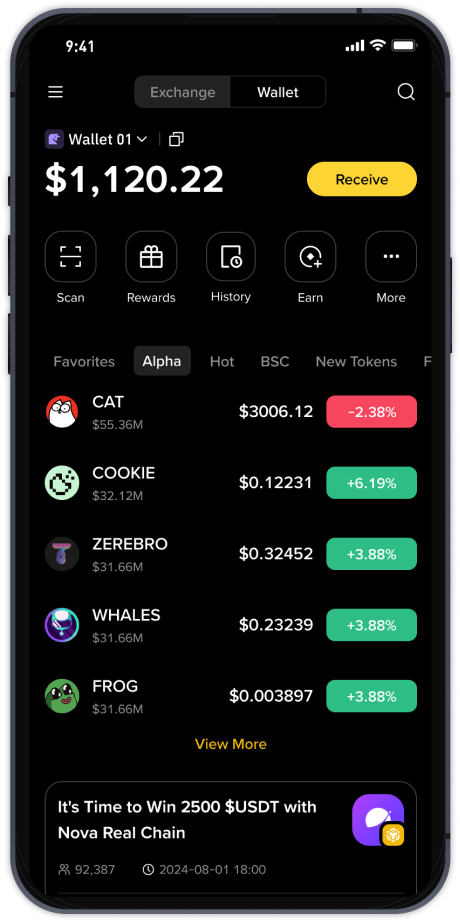
How Does Binance Chain Exchange Work? A Complete Guide to Its Features, Security, and Trading Experience

Binance Chain, often referred to as the native blockchain of Binance, powers one of the most widely used cryptocurrency exchanges in the world. When users search for “Binance Chain exchange,” they are typically asking about the trading platform built on this high-performance blockchain. To answer that question directly: the Binance Chain exchange (specifically Binance DEX and the broader Binance.com platform) offers fast transaction speeds, low fees, and a robust ecosystem. But is it the right choice for you? Let’s break down the key aspects.
First, it is important to distinguish between Binance Chain and the Binance Smart Chain (BSC). The original Binance Chain was designed for fast trading and low latency, making it ideal for the Binance DEX (decentralized exchange). On this chain, users can trade directly from their wallets without depositing funds into a centralized order book. This provides a higher level of security and self-custody. The trading experience on Binance Chain is extremely swift—transactions often confirm within seconds—and the fees are a fraction of what you would pay on Ethereum-based DEXs.
However, the centralized Binance.com exchange is far more popular for most traders. While it operates on a different backend, it is deeply integrated with Binance Chain and BSC. The benefits are clear: deep liquidity, a massive selection of altcoins, staking services, and advanced trading tools like futures and margin trading. For beginners, the interface is intuitive, while professionals appreciate the charting tools and API access. Security is also a strong point: Binance maintains a large SAFU (Secure Asset Fund for Users) insurance fund to cover potential losses from hacks. That said, the platform has faced regulatory scrutiny in various countries, so users should check local laws before signing up.
One unique feature of the Binance ecosystem is the ability to bridge assets between Binance Chain, BSC, and other blockchains. If you hold BEP-2 tokens (on Binance Chain) and want to use them in DeFi applications on BSC, you can swap them easily. This interoperability adds tremendous value for advanced users. The exchange also offers a launchpad for new token sales, which can be profitable but carries high risk.
Drawbacks exist as well. The centralized version of Binance requires KYC (Know Your Customer) verification, which may discourage privacy-focused users. Additionally, during peak trading periods, the platform has experienced temporary congestion. For the decentralized Binance Chain DEX, liquidity can be lower for less popular trading pairs, and the tool set is more basic compared to Uniswap or PancakeSwap on BSC.
In summary, the Binance Chain exchange ecosystem is robust, efficient, and feature-rich. Whether you choose the high-speed DEX on Binance Chain for self-custody or the full-featured centralized exchange, you get competitive fees and strong security. It is one of the best options for both new and experienced traders, provided you comply with local regulations. Always start with a small test transaction to familiarize yourself with the wallet and bridge functions.